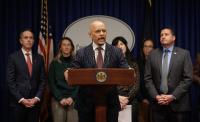
AGP Executive Report
Last update: 4 hours agoAI Regulation: Pennsylvania’s new law requires clear disclosures on ads using AI-generated or altered content, aiming to curb deceptive marketing. Cybersecurity: Penn has opened a center focused on AI-backed cyber threats, while Penn researchers and Google DeepMind have developed AI text detectors designed to show how they reach their conclusions. Data Centers: A Plains Township plan for a data-center overlay was scrapped amid local opposition, reflecting a growing Pennsylvania backlash to the facilities powering the AI boom. Space Science: A University of Scranton professor received a $5.5 million NASA grant to study space weather. Biotech: Western Pennsylvania FSHD advocates say four potential treatments are in clinical trials, with eight more expected to launch in the coming months.
Note: AI summary from news headlines; neutral sources weighted more to help reduce bias in the result. Feedback is welcome. Please let us know if you have any comments or suggestions about the AGP Executive Report.
 Perspectify News










 Pseudo-journalism: Pink-slime